
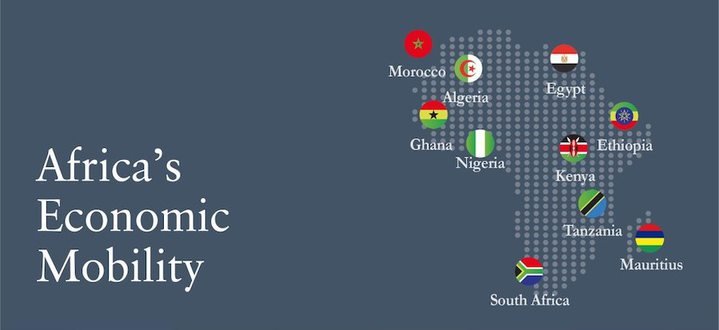
Africa’s technology sector is entering a new phase, one defined less by Silicon Valley venture capital and more by Gulf sovereign wealth funds, Asian technology giants, and a growing number of continent-home investors who understand African markets better than any foreign fund manager. The Africa Report’s latest analysis of the continent’s tech funding landscape confirms what insiders have observed for over a year: Western capital is retreating, but the gap is not becoming a vacuum. It is becoming an opportunity for new players to shape the rules of African digital development.
Gulf investors, particularly sovereign wealth funds from the UAE and Saudi Arabia, have dramatically increased their exposure to African technology startups and infrastructure in 2025 and 2026. Asian players, notably from Japan, South Korea, and China, are funding telecommunications infrastructure, data centers, and e-commerce platforms at a pace that reflects a long-term strategic commitment rather than speculative investment. Microsoft announced a four-year, $10 billion investment in Japan this year that specifically references AI data center expansion; the same institutional energy is now being directed toward select African markets.
Nigeria sits at the center of this continental tech transformation. The country’s digital economy is growing at a pace that attracts foreign investment while simultaneously generating cybersecurity vulnerabilities that Nigeria’s domestic security capacity cannot yet match. Key stakeholders in Africa’s digital infrastructure ecosystem identified co-location services this week as a critical solution to the continent’s persistent challenges, including energy constraints, infrastructure gaps, and investment risks. Lagos is fast becoming a data center hub, with the Lagos State Electricity Regulatory Commission announcing plans to launch 24-hour electricity franchise zones by October 2026, a development that would dramatically improve the reliability of digital infrastructure in Africa’s largest city.
Nigeria is also accelerating its transition away from legacy 3G technology, pivoting toward 4G and 5G infrastructure that can support the AI-powered applications now transforming commerce, finance, healthcare, and education across the continent. Airtel Africa reported a $1.41 billion full-year profit this week as its customer base expands, a performance that reflects the underlying strength of African mobile telecommunications despite macroeconomic headwinds.
Anthropic, Meta, and OpenAI are all engaging with Africa’s technology ecosystem in ways that will reshape the continent’s economic future. The Africa Report noted this week that Africa’s call centers are becoming new AI laboratories, a development that could transform the employment model for millions of young Africans who currently work in low-wage service roles and could instead become AI trainers, prompt engineers, and quality assurance specialists in a global AI economy.
Read More: Uganda’s Sovereignty Bill Passes as Tanzania and Kenya Deepen Regional Ties — Africa’s Political Realignment Accelerates
The World Cup 2026, hosted jointly by the United States, Canada, and Mexico, is generating unexpected technology infrastructure investment as African nations prepare their telecommunications and digital payment systems for the tournament’s accompanying commercial activity. Rail infrastructure connecting American cities to the MetLife Stadium is generating commentary about what similar investments could achieve for African urban mobility.
The challenge for African governments is to ensure that the digital economy’s growth reduces inequality rather than concentrating wealth in the hands of a technology elite. That requires investment in digital literacy, universal connectivity, and regulatory frameworks that protect data sovereignty and consumer rights. Countries that get this architecture right now will determine who captures value from the next generation of African technological development. The funding is arriving. The question is who controls the direction.


