
Theafricastandard.com | Breaking News | May 26, 2026 | Nigeria | Energy | Africa Economy
The battle for the future of Nigeria’s petroleum sector entered its most consequential phase this month when the Dangote Petroleum Refinery filed a case at the Federal High Court in Lagos on May 15, 2026, seeking to nullify fresh petrol import licences granted to competitors by the Nigerian Midstream and Downstream Petroleum Regulatory Authority. The lawsuit, filed by the refinery founded by Aliko Dangote, Africa’s richest person, is not merely a commercial dispute. It is a defining confrontation over whether Nigeria will finally build the domestic refining capacity that could transform its economy or continue paying billions of dollars annually to import refined petroleum products from foreign refineries.
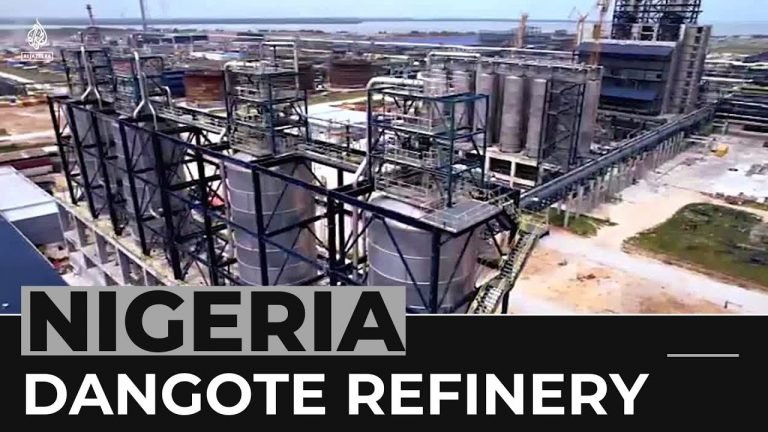
The Dangote Petroleum Refinery, constructed at a cost of approximately $20 billion and located in Lekki, Lagos State, is designed to process up to 650,000 barrels of crude oil per day, making it one of the largest single-train refineries in the world. When it operates at full capacity, it should produce enough refined products to meet Nigeria’s domestic fuel demand and generate a surplus for export across West Africa and beyond. The refinery was built to end Nigeria’s four-decade dependency on imported petroleum products, a dependency that has cost the country hundreds of billions of dollars in foreign exchange while domestic refineries sat idle and under-maintained.
The import licence dispute cuts to the heart of that transformation. Nigeria’s petroleum marketers, who have built profitable businesses importing refined products from abroad and selling them at subsidized or market prices domestically, represent a powerful commercial and political constituency. Some of these importers are closely connected to political networks that have historically resisted the structural reforms needed to create a competitive domestic refining sector. Dangote’s decision to take the NMDPRA to court is a direct challenge to those networks, and it signals that the refinery’s founder is willing to use every available legal tool to defend his commercial position.
The legal action has significant implications for the refinery’s planned IPO in September 2026. Market analysts note that the litigation creates two opposing signals for potential investors. The willingness to litigate aggressively strengthens the long-term margin thesis by demonstrating that the founder will defend the refinery’s commercial position against politically connected competition. At the same time, the ongoing regulatory friction with NMDPRA weakens any assumption of smooth government cooperation that investors need to price the IPO confidently. The resolution of the court case over the next 60 to 90 days will provide one of the most important signals available before the subscription window opens.
The context of the global energy crisis adds another dimension to this story. With Brent crude prices up 74 percent year-to-date because of the Iran conflict and the Strait of Hormuz disruption, Nigeria’s dependence on imported refined petroleum products has become dramatically more expensive. Every ship carrying imported petrol to Nigeria today costs far more than it did before the Middle East war began. The Dangote Refinery, which processes domestically produced crude oil and sells refined products into the local market, is insulated from that import cost surge in a way that petrol importers are not.
For Nigerian consumers, the stakes are personal and pressing. Petrol prices, electricity costs, and the prices of goods transported by fuel-dependent vehicles have all risen sharply this year. Kano residents have reported that erratic power supply combined with intense heatwave conditions is crippling commercial activity. Small businesses that depend on generators face operating cost increases that threaten their survival. The macroeconomic pressure of high fuel import costs on Nigeria’s foreign exchange reserves and government finances compounds the household-level hardship.
The NMDPRA has defended the import licences as necessary to ensure market competition and prevent a single entity from controlling the domestic fuel market. That argument has a legitimate economic foundation, but critics counter that granting import licences at a moment when a world-class domestic refinery is beginning full operations directly undermines the investment case for domestic refining and perpetuates the import dependency that has damaged Nigeria’s economy for decades.
The Federal High Court case will force a judicial determination of the statutory limits of NMDPRA’s licensing authority and the extent to which the regulatory framework protects or obstructs legitimate domestic investment in critical infrastructure. The legal questions are genuinely complex, and the case may take months to reach a substantive ruling. In the meantime, the refinery will continue operating while the regulatory and commercial battle plays out.
Read More: Middle East War Hammers African Economies as Fuel Prices Surge, Kenya Cuts Diesel Costs and Dangote Refinery Fight Erupts in Nigerian Courts
African Development Bank President Akinwumi Adesina and his colleagues meeting this week in Brazzaville for the AfDB Annual Meetings have made Africa’s critical minerals and energy transformation a central agenda item. The Dangote Refinery dispute illustrates precisely the kind of structural challenge they are discussing: how does Africa move from exporting raw resources and importing refined products to building the domestic industrial capacity that retains value, creates jobs, and builds long-term prosperity?
The resolution of this dispute will send a signal across Africa about whether countries with the political will and private capital to build transformative infrastructure can actually protect those investments through functioning regulatory and legal systems. If Dangote wins and the refinery establishes its commercial position firmly, it will encourage similar investments across the continent. If the political economy of import dependency prevails, it will reinforce the lesson that building transformative infrastructure in Nigeria carries risks that exceed what the investment case can support.


