
Theafricastandard.com | May 23, 2026 | African Economy & Energy | Breaking News
The economic fallout from the U.S.-Israel war with Iran is hitting African households with brutal force. Across the continent, governments, businesses, and ordinary citizens are absorbing the consequences of a Middle East conflict that has pushed global oil prices up 74 percent since the start of the year and sent the cost of fuel, food, and essential goods soaring to levels that are straining family budgets and forcing emergency government action from Nairobi to Lagos.
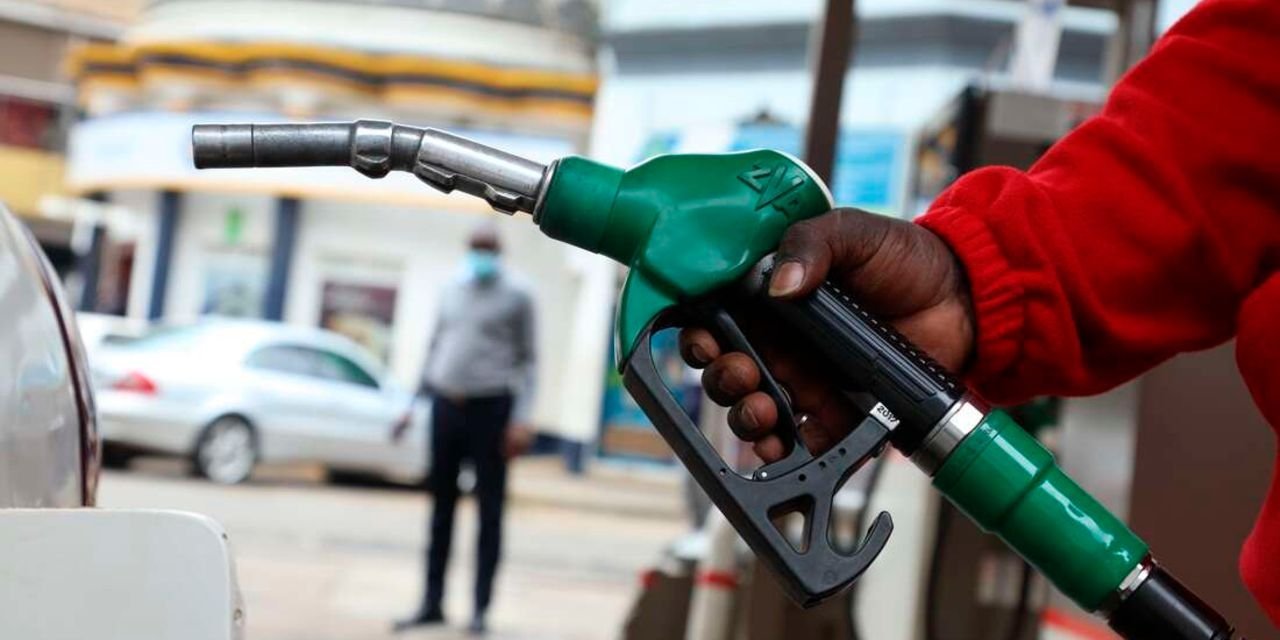
Kenya this week moved to cut its diesel price following protests against soaring energy costs that have been mounting for months. The government’s decision reflects the impossible pressure facing African oil importers as the closure of the Strait of Hormuz drives crude prices to their highest levels in years. For countries like Kenya, which depends on fuel imports to power its transport sector, agricultural operations, and electricity generation, a sustained oil price shock translates directly into higher food prices, increased transport costs, and accelerating inflation across the whole economy.
In Nigeria, the situation is equally volatile but playing out through a different lens. Aliko Dangote, Africa’s richest man, took his dispute with Nigeria’s petroleum regulators to the Federal High Court in Lagos this month, filing a case that seeks to nullify fresh petrol import licences granted to competitors. The Dangote Petroleum Refinery, which was built at a cost of approximately $20 billion and was designed to end Nigeria’s decades-long addiction to imported fuel, has been at the center of a ferocious commercial and regulatory battle since it began operations.
The refinery’s IPO, planned for September 2026, is now directly affected by the litigation. Analysts following the story note that the court case signals two things simultaneously: Dangote’s willingness to defend the refinery’s commercial position aggressively against politically connected import marketers, and the continuing regulatory friction with Nigeria’s Midstream and Downstream Petroleum Regulatory Authority. Those two signals pull investor sentiment in opposite directions, creating uncertainty that will remain until the litigation is resolved, likely over the next 60 to 90 days.
The broader picture for African energy is one of painful vulnerability. A continent that produces significant quantities of oil and gas continues to import refined petroleum products at enormous cost because of insufficient domestic refining capacity. That structural weakness, which African governments have long recognized but failed to systematically address, is being exposed brutally by the current global energy crisis.
In Kano, Nigeria’s second-largest city, residents are reporting that erratic power supply combined with intense heat is crippling commercial activity. Small businesses that depend on generators for power are seeing their operating costs double and triple as diesel prices rise. Logistics companies say that energy and transport costs are threatening the survival of businesses in the non-export sector, which provides livelihoods for millions of Nigerians.
At a continental level, the African Development Bank Group is preparing to respond. Next week, the AfDB will formally launch its African Economic Outlook 2026 report at the bank’s Annual Meetings in Brazzaville, Republic of Congo. The report, themed Mobilising Africa’s Development Financing at Scale in a Fragmented World, is expected to address how African nations can mobilize capital to build resilience against exactly the kind of external shocks they are experiencing right now.
The meeting in Brazzaville will bring together heads of state, finance ministers, development partners, and private sector leaders to discuss Africa’s financing priorities in an environment of rising geopolitical tension, tighter global financial conditions, and growing development needs. The AfDB has been pressing for years for deeper domestic capital markets and expanded infrastructure investment as buffers against global volatility. The current crisis gives those arguments fresh and urgent weight.
Read More: Ebola Crisis in DRC and Uganda: Africa Faces Its Most Dangerous Outbreak in Years as Bundibugyo Strain Spreads With No Vaccine
South Africa is grappling with its own severe energy challenge. The City of Johannesburg is facing what officials describe as dark ages as power utility Eskom demands billions in unpaid debts from the municipality. The Eskom crisis, which has persisted for years in different forms, continues to act as a structural brake on South African economic growth, limiting industrial output, discouraging foreign investment, and imposing daily hardship on businesses and households.
The message emerging from Africa this week is consistent across borders: the continent’s exposure to global energy price shocks is not an accident but the consequence of decades of underinvestment in domestic energy infrastructure, refining capacity, and financial system depth. Solving these structural problems will take years of sustained political will and capital. In the meantime, African governments and households are paying a high price for a war being fought thousands of miles from their borders.


