
Published: Thursday, May 21, 2026 | Breaking News
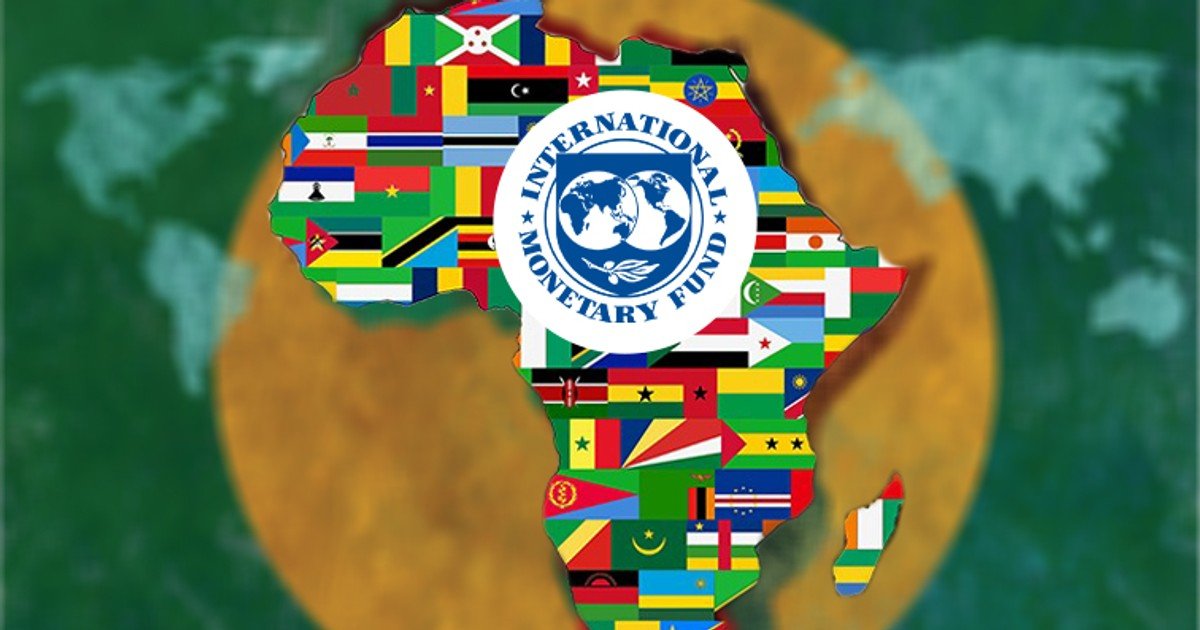
The numbers no longer allow any room for the old narrative. In 2026, Africa is home to six of the world’s ten fastest-growing economies, according to the latest International Monetary Fund projections. Sub-Saharan Africa as a region is on track to outpace Asia in economic growth for the first time. The continent that global financial media spent decades describing primarily through the lens of aid dependence and humanitarian crisis is generating returns that serious investors can no longer ignore.
Ethiopia stands at the top of Africa’s growth table this year, expanding at 9.2 percent. The growth comes from two directions simultaneously: massive public investment in road and railway infrastructure, and a services sector that is adding jobs and output faster than any other part of the economy. Addis Ababa’s emergence as a continental aviation hub, anchored by Ethiopian Airlines, has made it a de facto gateway to East and Central Africa for both trade and travel.
Guinea’s 8.7 percent growth rate tells a different story, one built on mineral wealth being converted into development at an accelerating pace. Guinea holds the world’s largest reserves of bauxite, the ore from which aluminium is refined, and a wave of new mining agreements with Chinese, American, and Australian partners is generating export revenues that the government is directing into infrastructure. The Simandou iron ore project, one of the largest undeveloped iron ore deposits on earth, is moving toward production and will transform Guinea’s economic profile further when it comes online.
Rwanda continues to confound those who wrote off its prospects after the 1994 genocide. The country’s 7.2 percent growth in 2026 reflects 30 years of consistent institutional reform, anti-corruption enforcement, and strategic positioning as a logistics and financial services hub for East Africa. Kigali is today home to the headquarters of the African Continental Free Trade Area secretariat, a symbolic and practical acknowledgment of Rwanda’s governance credibility across the continent.
The African Continental Free Trade Area itself is a structural accelerator for this growth trajectory that has not yet reached its full effect. When the free trade zone’s protocols are fully implemented, it will create a single market of more than 1.4 billion people with a combined GDP exceeding $3 trillion. Intra-African trade, which remains a fraction of what it should be given the continent’s size, will be the primary beneficiary. Manufacturing, processed food, textiles, and technology products are the sectors where analysts expect the largest trade gains as tariff barriers fall.
Nigeria’s economic story in 2026 is one of painful adjustment that is beginning to show results. The removal of the fuel subsidy, a reform that previous governments attempted and abandoned for political reasons, is finally redirecting billions of dollars from subsidizing imported petrol toward public investment. The Dangote Refinery’s full operation means Nigeria is processing its own oil domestically for the first time at scale, reducing the ironic dependence of Africa’s largest oil producer on imported refined petroleum products.
Kenya’s technology ecosystem deserves particular attention from the investor community. The country’s M-Pesa mobile money platform, now nearly two decades old, has spawned an entire fintech ecosystem that is being replicated across Africa and exported to South Asia. Nairobi’s iHub and Silicon Savannah reputation are translating into real venture capital inflows: more than $800 million in the twelve months ending March 2026, backing startups in logistics, health technology, agriculture technology, and enterprise software.
The political economy of Africa’s investment environment is evolving rapidly. A new generation of African leaders is pursuing economic relationships on more assertive terms than their predecessors. Negotiations with Chinese infrastructure partners are increasingly sophisticated, with African governments insisting on local labor quotas, technology transfer provisions, and transparent debt terms. Deals with Western partners are being subjected to similar scrutiny. The era of simple resource extraction in exchange for infrastructure is not over, but it is becoming harder to execute without meaningful local value addition.
Read More; Africa Forward Summit in Nairobi Signals New Era as Ruto and Macron Reframe Continent’s Role in Global Power
Africa’s demographic trajectory is the ultimate long-term driver of this investment case. The continent’s working-age population is growing faster than any other region on earth, and will continue doing so for decades. By 2050, one in four people on earth will be African. That means consumer markets, labor supply, and urbanization dynamics that will make Africa’s economic weight impossible to overlook. The investors who establish deep relationships on the continent now, before valuations reflect the opportunity fully, will benefit most from what follows.
The Brazzaville meetings of the African Development Bank this week present a moment to consolidate this momentum into durable institutions and financing mechanisms. The agenda covers domestic resource mobilization, capital market deepening, and public-private partnership structures that can sustain investment even when global financial conditions tighten. Africa’s growth story in 2026 is real. The task for this generation of African leaders and their international partners is making it irreversible.


