
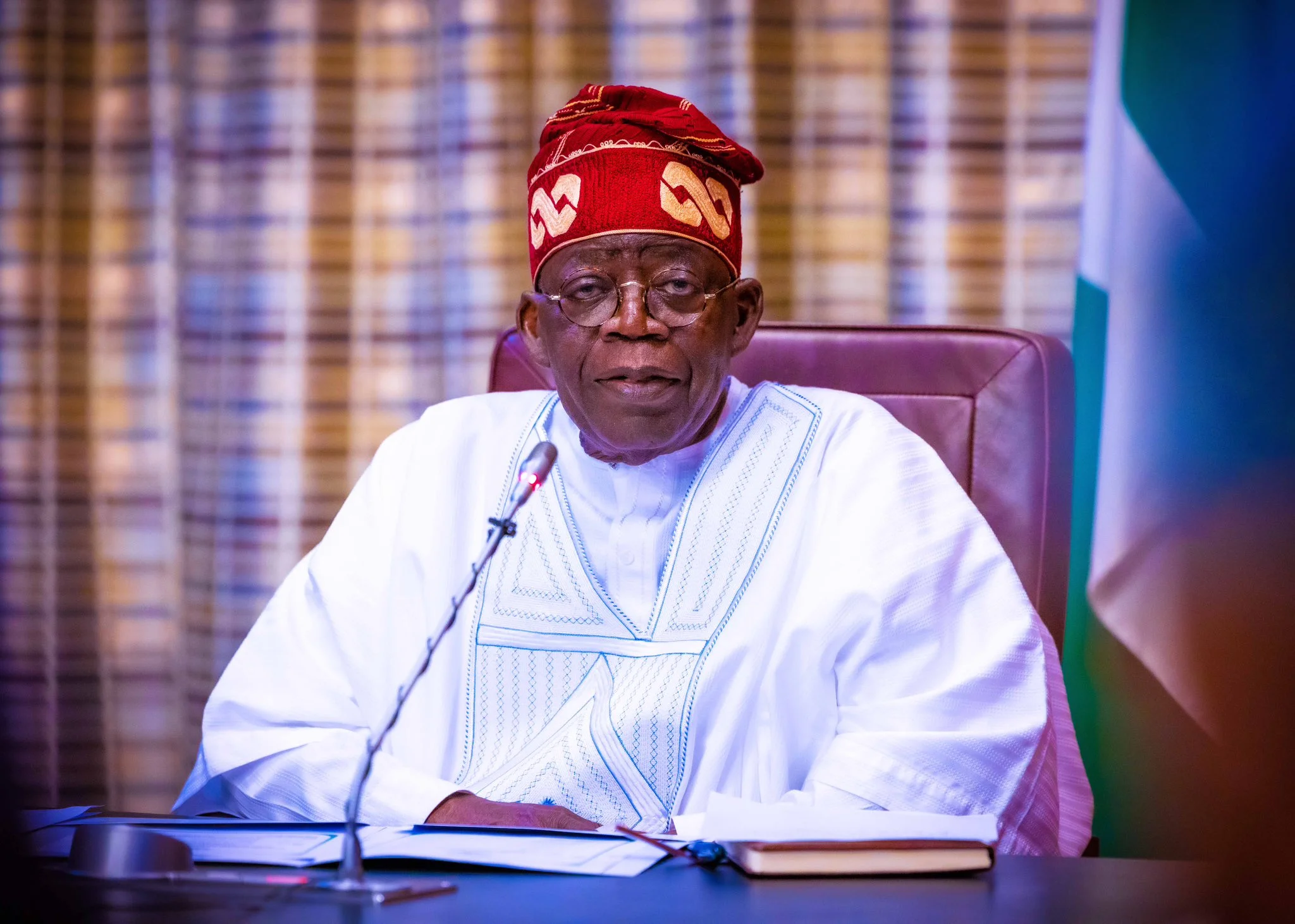
With billions committed and new policy frameworks in place, Nigeria’s electricity reform is the most consequential — and most politically loaded test of the Tinubu administration’s remaining mandate.
Introduction
Electricity is the reform that Nigerians can physically feel. While macroeconomic indicators may require expert interpretation, the presence or absence of light in a hospital, the sound of a generator consuming petrol at N1,400 per litre, the quiet of a factory floor that cannot afford to keep running these are metrics every citizen understands viscerally. They are also the metrics by which the Tinubu administration will be judged most harshly when voters return to the polls in 2027.
The Federal Government has made its most ambitious move yet in the power sector: a ₦3.3 trillion payment plan to clear decade-long legacy debts that have paralysed investment and crippled the commercial viability of generation and distribution companies. The plan covers liabilities accumulated between February 2015 and March 2025 a structural debt burden that has served as the single greatest disincentive to private investment in Nigeria’s electricity infrastructure.
The question Nigeria is now asking is not whether the government has committed money. It is whether the money will arrive in time, be deployed efficiently, and produce results that Nigerian households can measure in hours of electricity supply before the next election.
A Sector Defined by Chronic Failure
Nigeria’s electricity sector has failed its citizens for decades with a consistency that almost defies explanation in a nation of such resource wealth. Despite multiple privatisation efforts since 2013, the country generates far less electricity than economies a fraction of its size. The consequences are enormous: manufacturers face punishing operating costs, small businesses haemorrhage income during outages, and households spend a disproportionate share of their budgets on generators and fuel. The establishment of the Nigerian Independent System Operator in 2025 to oversee grid and market operations separately from the Transmission Company of Nigeria represents a structural improvement but it has yet to translate into measurable gains in consumer supply.
The ₦3.3 Trillion Debt Clearance Plan
The government’s decision to confront the power sector’s legacy liabilities directly is widely regarded by energy economists as a prerequisite for genuine reform. The debts owed to generation companies have long prevented them from servicing gas supply contracts, maintaining equipment, or attracting new investment. The ₦3.3 trillion plan, structured as a phased payment programme, is designed to restore commercial viability to the sector’s value chain gas suppliers and generation companies through to transmission and distribution.
International Capital and the Investment Signal
The Tinubu administration’s energy reforms have attracted over $2 billion in fresh investments into the power sector. The African Development Bank has committed $1.1 billion targeted at providing electricity to 5 million Nigerians by end-2026, while the World Bank’s $750 million facility targets 16.2 million people through mini-grids and standalone solar systems. An additional $500 million facility for a Nigeria-Grid Battery Energy Storage System signals that international lenders are beginning to bet on Nigeria’s energy future with more conviction. The $5 billion NLNG Train 7 project nearing completion will also strengthen Nigeria’s gas supply chain, addressing one of the root causes of thermal generation underperformance.
State-Level Energy Markets and the Electricity Act
One of the most structurally significant developments of the Tinubu era in energy is the constitutional devolution of electricity regulation to state governments under the 2023 Electricity Act. States now possess authority to regulate electricity markets within their territories, creating the conditions for sub-national competition, innovation, and investment. Progressive statesparticularly those with growing industrial bases have begun to leverage this authority to develop independent power projects and attract private sector energy investment.
The 2027 Test
Energy analyst Cheta Nwanze captured the political stakes precisely: “People may not understand macroeconomic indicators, but they understand whether the lights work.” For the Tinubu administration, the power sector is simultaneously its greatest policy opportunity and its most exposed political vulnerability. The reforms are architecturally sound; the international partnerships are real; the debt clearance plan is funded. What remains to be demonstrated before millions of voters make their own assessment is that the electricity that powers the macro-narrative can also power the ceiling fan in a Lagos apartment on a Saturday afternoon.
Read More: Tinubu’s Economic Reform Doctrine: From Subsidy Removal to Tax Overhaul, Nigeria’s Presidency Is Making a $50 Billion Reserves Bet on Recovery
Today’s Key Highlights
- ₦3.3 trillion payment plan approved to clear power sector debts accumulated between 2015 and 2025.
- AfDB committed $1.1 billion to electrify 5 million Nigerians by end-2026; the World Bank added $750 million for mini-grids targeting 16.2 million people.
- Over $2 billion in fresh private investments attracted into Nigeria’s electricity sector in 2026.
- 2023 Electricity Act enables states to regulate their own power markets — a structural shift toward decentralisation.
- NLNG Train 7 a $5 billion investment nearing completion, will boost gas supply and thermal generation.


