
By The Africa Standard Correspondent | May 7, 2026 | South Africa, Migration, African Diplomacy, Human Rights
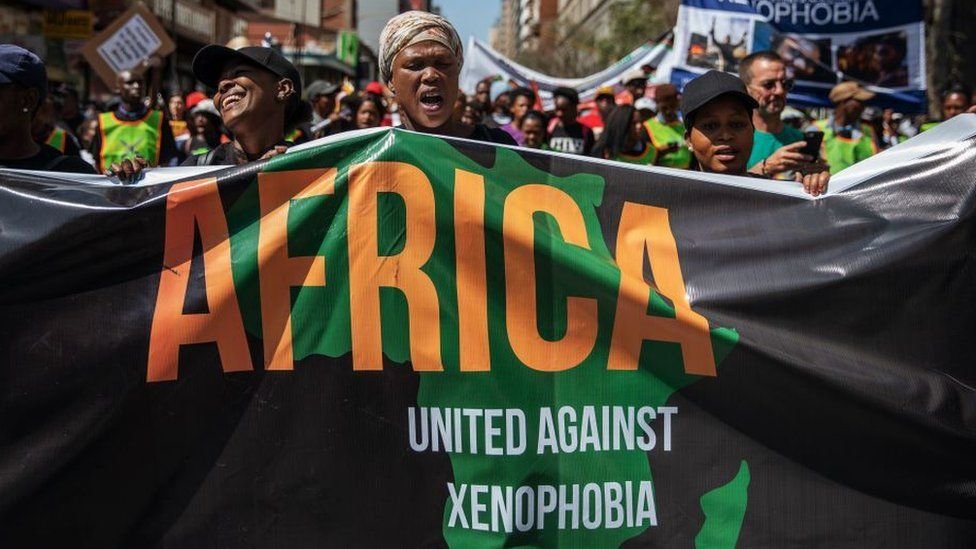
A renewed wave of anti-migrant violence across South Africa major cities has pushed the continent to a diplomatic breaking point, with Nigeria, Botswana, Mozambique, Zimbabwe, and Lesotho signaling readiness to impose economic and diplomatic retaliatory measures against Pretoria unless the government takes decisive action to protect African nationals living in the country. The crisis, which human rights observers describe as the most serious xenophobia emergency in South Africa since 2019, has exposed deep fractures in the African Union’s ideals of continental solidarity and free movement.
The latest wave of violence erupted between April 27 and 29, 2026, when anti-immigration groups, including the organizations Operation Dudula and March and March, staged protests in Pretoria, Johannesburg, Durban, Cape Town, and KwaZulu-Natal. Nigerian and other African nationals bore the brunt of the attacks, with businesses looted, properties destroyed, and individuals subjected to violence by vigilante groups who accuse migrants of taking jobs, dominating informal trade, and engaging in criminal activity. South African police data does not substantiate these accusations as a nationwide trend.
The Nigerian Consulate General in Johannesburg confirmed the deaths of two Nigerian nationals, Amaramiro Emmanuel and Ekpenyong Andrew, in separate incidents involving interactions with South African security personnel. As of May 3, 130 Nigerians registered with Nigerian diplomatic missions in South Africa for voluntary evacuation flights, with officials expecting that number to grow sharply ahead of further planned demonstrations. Abuja formally summoned South Africa’s High Commissioner to convey Nigeria’s displeasure and demand concrete protective action.
Nigerian officials reminded Pretoria of Nigeria’s significant sacrifices during the anti-apartheid struggle, arguing that the current hostility betrayed the solidarity that defined that era of liberation. With more than 118 Nigerians reportedly killed in xenophobic incidents between 2015 and 2026, Abuja’s patience with diplomatic rhetoric has clearly reached its limit. Foreign Affairs Ministry officials stated that rhetoric must now be matched with action.
Botswana’s response was perhaps the most dramatic among neighboring states. President Duma Boko delivered a nationally televised address invoking history as both a warning and a rebuke. ‘We stood with you during your fight against oppression,’ he said. ‘Today, our citizens are humiliated.’ Botswana signaled it may seal its land border with South Africa and restrict electricity supply to parts of the country, a move that would have significant economic consequences given South Africa’s dependence on cross-border power imports.
Mozambique is reportedly considering restrictions at the Ressano Garcia border crossing, a major trade corridor through which South African trucks and citizens regularly pass. Any disruption to this route would affect bilateral trade worth billions of rands annually. Zimbabwe and Lesotho, both of which account for large portions of South Africa’s migrant population, placed their citizens on high alert, with many individuals choosing to return home rather than risk further danger.
The United Nations High Commissioner for Refugees and the African Union both issued statements urging South African authorities to enforce existing laws protecting migrants and to prosecute those responsible for the attacks. The Pan African AU Agenda 2063 Diplomatic Mission condemned the violence as contrary to the principles of African unity. The AU called on member states to strengthen accountability mechanisms and early-warning systems to prevent future outbreaks.
Read More: South Africa Anti-Immigrant Violence Triggers Continental Diplomatic Crisis as Nigeria, Ghana, and Ethiopia Demand Justice
President Cyril Ramaphosa stated publicly that no one has the right to take the law into their own hands, but analysts point out that this language has been used in previous xenophobia crises without producing lasting change. South Africa’s criminal justice system, which an ongoing Commission of Inquiry is already examining for corruption and political interference, lacks the capacity and perhaps the political will to prosecute xenophobic violence at the scale required to deter future attacks.
The Africa Standard understands that unless Pretoria moves beyond statements of condemnation to concrete prosecutions and structural reforms in its immigration and policing systems, the diplomatic and economic pressure from neighboring states will intensify. The stakes are significant. South Africa is the continent’s second-largest economy, and a prolonged breakdown in its relationships with neighboring states would damage the entire region’s prospects for growth, investment, and the vision of integrated African development that the AU’s Agenda 2063 is supposed to advance.


