
By The Africa Standard Energy Correspondent | May 7, 2026 | Africa Energy, Oil and Gas, African Economy, Foreign Investment
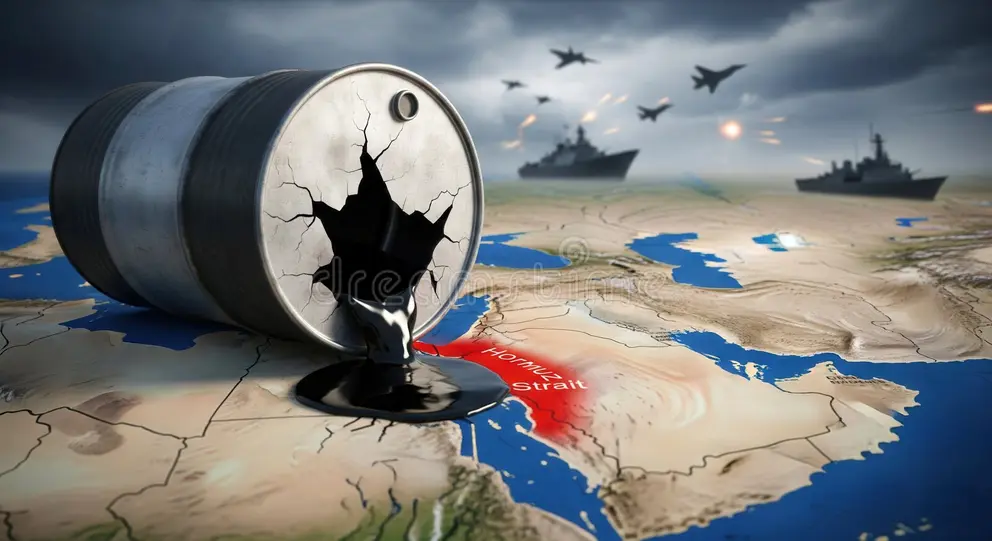
The Strait of Hormuz crisis that has convulsed global energy markets since late February 2026 is producing an unexpected strategic opportunity for Africa oil-producing nations. With Iranian supply effectively removed from global markets and the Persian Gulf in turmoil, buyers from Europe, Asia, and the Americas are turning to African producers including Nigeria, Angola, Libya, Algeria, Gabon, and Equatorial Guinea at a speed and scale not seen since the energy disruptions of the early 2020s.
Nigerian crude, Angolan deep-water oil, and Algerian liquefied natural gas are all commanding price premiums as desperate importers seek alternatives to Gulf supplies. For nations like Nigeria, which produces roughly 1.4 million barrels per day of crude but has historically struggled to translate oil wealth into broad-based economic development, the current price environment represents a genuine window of opportunity, provided the revenues are managed with more discipline than in previous commodity booms.
Angola, whose oil sector accounts for more than 90 percent of its export earnings, is reporting a significant improvement in its current account position as elevated crude prices offset the impact of declining production at aging oilfields. The Angolan government of President Joao Lourenco has used the windfall to accelerate debt repayment to Chinese creditors, who hold substantial portions of Angola’s external debt following years of infrastructure financing under Belt and Road arrangements.
Libya’s situation is more complicated. The country’s split political landscape, with rival administrations in Tripoli and Benghazi, means that oil revenue management remains contested. The National Oil Corporation, operating out of Tripoli, reports increased production and export revenues but faces persistent pressure from militias and political factions seeking greater control over oil infrastructure. International oil companies operating in Libya are balancing the revenue opportunity against the political and security risks of deeper investment commitments.
Algeria, the continent’s largest natural gas producer, is supplying European buyers who are increasingly anxious about energy security after years of dependence on Russian pipeline gas and now the disruption of Gulf LNG supplies. Algerian state energy company Sonatrach has signed multiple new supply agreements with Italian, Spanish, and German buyers in the past 60 days, reflecting Europe’s frantic search for stable, reliable energy partners outside the volatile Middle East corridor.
African energy ministers, meeting informally on the sidelines of a continental economic forum this week, acknowledged that the crisis presents a dual challenge. Capturing the revenue upside requires improving production reliability and reducing infrastructure bottlenecks that have historically limited how much African producers can ship when demand surges. At the same time, the revenue windfall must not become a reason to delay the clean energy transition that African leaders have committed to in international climate frameworks.
Read More: Malawi Declares Fuel Crisis as Foreign Exchange Shortage Empties Filling Stations and Disrupts Healthcare Across the Country
Development finance institutions including the African Development Bank and the World Bank’s International Finance Corporation are urging African governments to use the elevated oil revenue window to build sovereign wealth buffers, invest in renewable energy infrastructure, and reduce dependence on commodity cycles that have historically left African economies vulnerable to external shocks. The lesson of previous commodity booms, particularly the oil price collapse of 2014 to 2016, is that the window can close faster than governments expect.
The broader question is whether Africa can use this geopolitical moment to position itself as a permanent pillar of global energy security rather than an episodic swing supplier. That transformation requires not just production increases but investment in export infrastructure, transparent governance of oil revenues, and regional energy integration that allows African producers to supply African consumers directly, reducing the continent’s own dependence on imported energy that drains foreign exchange reserves and limits economic growth.


