
May 17, 2026 | Africa | Geopolitics | Development Finance
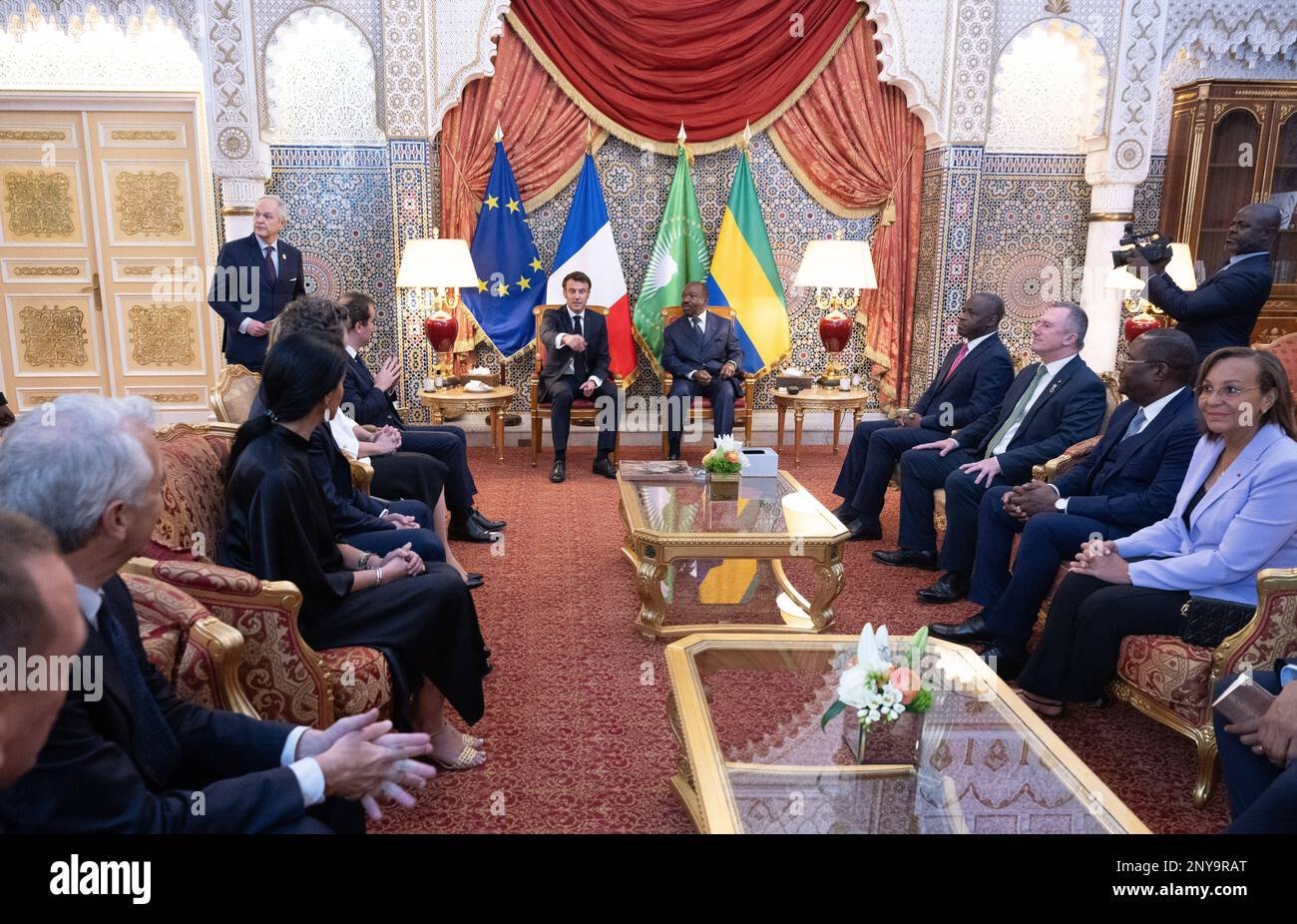
A landmark gathering of more than 30 African heads of state and over 2,000 business leaders, investors, and policymakers has converged in Nairobi for the Africa Forward Summit 2026, co-hosted by Kenyan President William Ruto and French President Emmanuel Macron. The summit is being described by analysts as a watershed moment in the renegotiation of Africa’s position within the global power architecture, moving decisively away from the language of aid and charity toward the harder vocabulary of strategic partnership.
The context for the summit is dramatically different from previous Africa-Europe gatherings. The Russian invasion of Ukraine, the subsequent disruption of European energy security, and the current crisis in the Strait of Hormuz have forced a fundamental reassessment of global energy and resource supply chains. Africa, which holds more than 40 percent of global reserves of critical minerals including cobalt, manganese, and platinum according to the International Energy Agency, now sits at the center of multiple overlapping strategic priorities.
European nations that scrambled to rethink energy security after losing Russian gas are now also competing with the United States and China for access to African hydrocarbons and critical minerals. The United States, through its critical minerals strategy, has explicitly stated its goal of ensuring that critical minerals from Africa flow to American supply chains as part of secure, reliable networks essential to reindustrialization and technological dominance.
China remains a vital partner for large-scale financing, infrastructure development, and resource-for-investment models. Its zero-tariff policy for African products reinforces its position at a moment when the Trump administration’s tariffs and the collapse of USAID funding have accelerated African governments’ efforts to diversify partnerships. The diplomatic maneuvering playing out in Nairobi this week reflects a continent that increasingly understands its own leverage.
One of the summit’s major priorities is support for the replenishment of the World Bank’s International Development Association framework, alongside broader discussions about the structure and cost of development finance. African economies continue to face disproportionately high borrowing costs and elevated risk perceptions even in sectors with strong strategic value. This financing challenge is not merely about quantity, but about the terms on which capital is available.
The World Bank’s Africa Economic Update projects Sub-Saharan Africa’s growth will hold at 4.1 percent in 2026. East Africa leads at a projected 5.8 percent, driven by Ethiopia and Kenya and supported by regional integration and renewable energy expansion. But around 40 percent of African countries remain in a situation of over-indebtedness or at high risk, with interest payments absorbing nearly 15 percent of public revenue across the continent.
The expiry of the African Growth and Opportunity Act poses an additional challenge, particularly for clothing exporters. The slow implementation of the African Continental Free Trade Area, which promised to dramatically expand intra-African trade, adds to the complexity. Both issues featured prominently in the summit’s agenda.
Read More: South Africa’s Unemployment Crisis Hits 32.7 Percent as Johannesburg Faces Financial Collapse and Ramaphosa Confronts Impeachment
Chatham House analysts have noted that Africa can no longer rely on intermittent international attention to safeguard peace, democracy, and economic resilience. The continent must assert collective leadership through its own institutions at precisely the moment when the African Union has been weakened by internal divisions. The summit in Nairobi represents an opportunity for African leaders to present a unified, confident negotiating position to international partners.
The question that will determine the summit’s ultimate legacy is whether the political momentum generated in Nairobi translates into concrete financing commitments, genuine technology transfer, and trade relationships structured on terms that benefit African economies and populations, not only external investors.


