
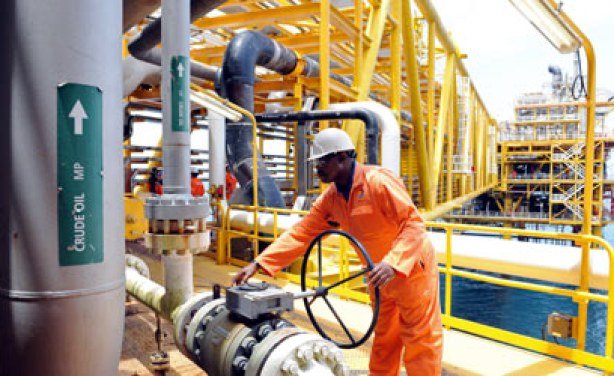
A landmark report published in Nairobi this week has delivered a harsh verdict on half a century of oil and gas extraction across Africa, concluding that the continent’s vast hydrocarbon wealth has largely failed to deliver development for ordinary Africans while enriching a small class of political elites and multinational corporations. The report, titled “Pipe Dreams: How Oil and Gas Fail to Deliver Economic Development in Africa,” was jointly published by Oil Change International and Power Shift Africa.
The study examined 13 oil- and gas-producing African nations and found that extraction creates few local jobs, undermines farming and fishing communities through toxic spills, and leaves African economies dangerously exposed to boom-and-bust cycles tied to global price swings. With the US-Iran war currently driving oil prices to historic highs, the report arrives at a moment when Africa is visibly splitting between oil-rich nations profiting from the crisis and import-dependent nations suffering under it.
Thuli Makama, Africa director at Oil Change International, said the existing model concentrates wealth in the hands of multinational corporations and political elites while communities endure pollution, lost livelihoods, and rising living costs. Mohamed Adow of Power Shift Africa argued that Africa’s real opportunity lies in homegrown renewable energy that creates jobs, expands access, and keeps value circulating within African economies rather than being extracted and exported to overseas markets.
The Iran war has created exactly the split the report describes. Nigeria, Africa’s largest oil producer, has seen a 66 percent increase in the price of Bonny Light crude since the conflict began, generating a $4 billion windfall for Nigerian oil companies according to US investment firm Vanguard. The Democratic Republic of Congo has also seen rising demand for its critical minerals needed to rebuild US defence systems destroyed in the conflict, creating unexpected economic opportunities.
Kenya, on the other hand, represents the other side of the equation. With no significant oil reserves, Kenya imports nearly all of its refined fuel at market prices that have soared since the Strait of Hormuz closed. A Nairobi driver told journalists he now covers half his previous daily mileage because fuel costs have made his work barely profitable. The World Bank warns that 2.4 million Kenyans face poverty risks from the energy shock. Kenya is reportedly considering a $600 million World Bank emergency loan to manage rising subsidy costs.
Africa still imports more than 70 percent of its refined fuel, according to the Africa Finance Corporation, despite sitting on 12 percent of global oil reserves. Insufficient refining capacity is one of the continent’s most persistent structural problems. Countries extract low-value crude, export it to overseas refineries, and then import back the high-value refined products at elevated prices. This model, as the report makes clear, extracts wealth from African communities twice.
Read More: Africa’s 2026 Growth Story at Risk: How the Iran War Oil Shock, US Tariffs, and Collapsing Aid Budgets Are Threatening the Continent’s Fastest-Growing Economies
The African Energy Chamber warned in its 2026 outlook report that the continent may struggle to capitalize on its oil reserves if this export-without-refining model continues. Meanwhile, the report’s authors argue that renewable energy offers a more sustainable path, one that keeps economic value on the continent, creates local employment, and does not expose African economies to the volatility of global oil markets that the current Iran war so vividly illustrates.
As African leaders prepare to gather for the Africa-France Summit next week, where more than 30 heads of state and top business leaders will meet, the question of energy strategy, fossil fuels versus renewables, will dominate the conversation. The pressure to choose a path that works for ordinary Africans, not just oil company shareholders, has never been greater.


