
Sunday, May 10, 2026 | By The Africa Standard Economic Desk
Africa’s entered 2026 carrying genuine economic momentum. The African Development Bank projected that the continent would achieve GDP growth of approximately 4.2 percent this year, making Africa the fastest-growing major economic region on earth. Young populations, expanding digital infrastructure, growing intra-continental trade under the African Continental Free Trade Area, and a commodity revenue base that benefited from global energy demand all pointed toward a year of genuine progress. Then came the Iran war, the oil shock, the US tariff regime, and the collapse in global aid budgets, and the picture has changed dramatically.
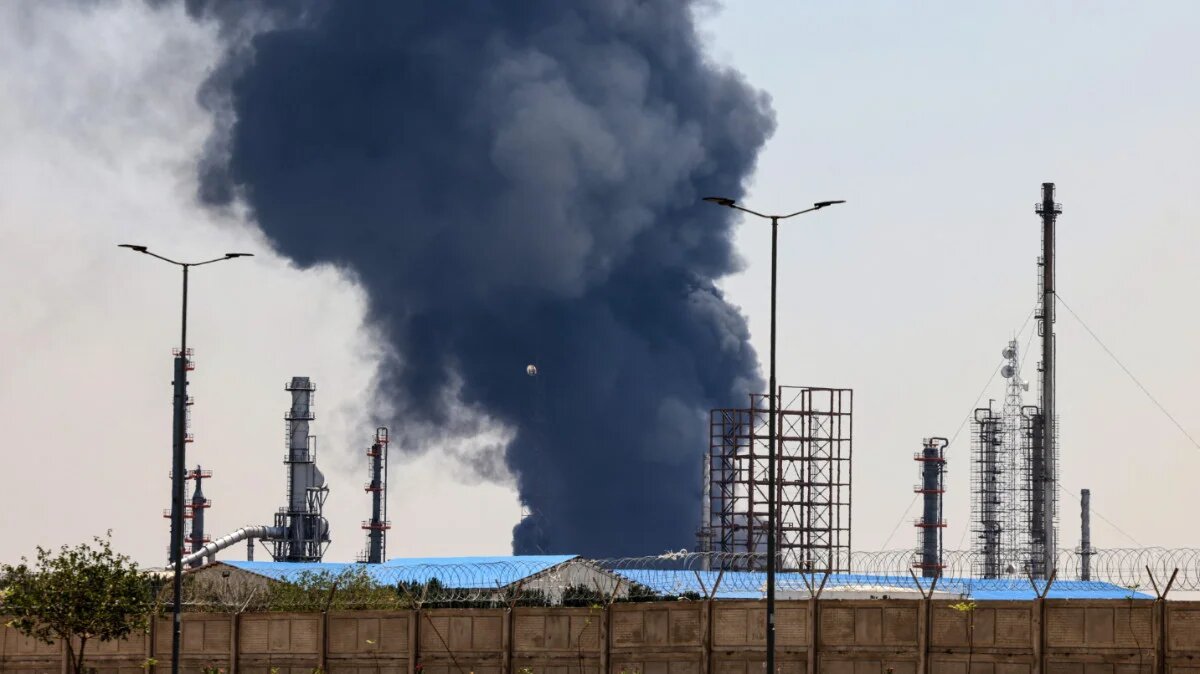
The Strait of Hormuz crisis has hit Africa’s most import-dependent economies with a brutality that reflects their structural vulnerability. East African nations that rely on imported petroleum products for virtually all their fuel needs are implementing emergency rationing. Prices for cooking gas, diesel for generators, and transport fuel have risen between 30 and 60 percent across Kenya, Tanzania, Uganda, and Ethiopia in the past two months. For informal sector workers, street vendors, small farmers, and low-income urban households, the price spikes represent the difference between eating and not eating.
Nigeria occupies a uniquely complex position in the crisis. Africa’s largest economy and one of the continent’s major oil producers earns significant export revenue from crude oil, which has surged in value. But Nigeria has long depended on imported refined petroleum products due to chronic underinvestment in domestic refining capacity. The Dangote Refinery, Africa’s largest, has increased its operational capacity and is providing some relief, but its output cannot fully offset the surge in import costs for the products it does not yet produce at scale. Nigeria’s naira, already under severe pressure, has faced fresh volatility.
The global aid budget collapse compounds the energy crisis. The Organisation for Economic Cooperation and Development estimates that global aid spending fell nine percent in 2024, with cuts in Sub-Saharan Africa running between 16 and 28 percent. The US Agency for International Development has been severely restructured, cutting programs across health, education, and food security. The United Kingdom has reduced its overseas development assistance to historical lows. These cuts arrive as African governments face their greatest financing needs in a generation, driven by debt servicing obligations, food insecurity, and climate adaptation requirements.
Twelve African countries continue to experience inflation at or above ten percent annually, deepening cost-of-living pressures that were already forcing millions of households into poverty. Debt servicing costs are consuming record shares of government revenue in countries including Ghana, Zambia, Ethiopia, and Kenya, leaving little fiscal space for social protection or economic stimulus. The African Development Bank warns that debt crises are peaking across the continent in 2026 as economies confront refinancing cliffs amid high global interest rates.
US tariffs represent a separate but compounding threat to African trade. Several African nations that had benefited from the African Growth and Opportunity Act, or AGOA, which provides preferential market access to the United States, now face the additional burden of the Trump administration’s tariff framework. Although AGOA technically remains in force, the broader tariff environment has raised trade costs and created uncertainty that is dampening African export growth to the US market. The State Department’s pause on immigrant visa processing for 75 countries with high public benefits utilization has also disrupted diaspora communities and reduced the remittance flows that represent a critical income source for millions of African households.
The climate dimension of Africa’s 2026 crisis cannot be separated from the economic one. COP30, held in Brazil, produced pledges to support global forest protection that some African nations hope will unlock climate finance. But the gap between pledged funds and disbursed funds in climate finance has been a persistent source of frustration for African governments. The continent contributes the least to global carbon emissions and faces the most severe consequences of climate disruption. Its negotiating position at international forums is strengthened by moral clarity, but moral clarity does not pay debt service bills or subsidise fuel prices.
Read More: Nigeria Says US Tariffs Have Minimal Impact as Country Pursues Strategic Trade Independence
Against this backdrop, the African Union and regional economic blocs including ECOWAS and the East African Community are intensifying efforts at collective response. Proposals for a continental fuel reserve sharing mechanism, expanded use of local currency trade settlement to reduce exposure to dollar volatility, and accelerated investment in renewable energy infrastructure are all gaining traction. The renewable energy opportunity is particularly significant. Abundant solar, wind, and hydroelectric resources mean that African nations that invest decisively in clean energy infrastructure can reduce their dependence on imported fossil fuels permanently, transforming a vulnerability into a strategic advantage.
The path forward for Africa in 2026 requires simultaneous navigation of several crises that intersect and amplify each other. The continent’s young, tech-savvy, and politically engaged populations are not passive observers of these dynamics. Across Nigeria, Senegal, Kenya, South Africa, and beyond, Gen Z movements are demanding accountability, transparency, and genuine reform of governance systems they view as captured by aging elites and external creditors. Africa’s 2026 growth story is not over. But writing a better chapter requires decisions by African governments and their international partners that neither has yet shown the urgency to make


