
Ghana has announced an ambitious $1 billion Innovation and Technology Hub and a nationwide digital jobs initiative to position the country as a major player in the global technology economy.
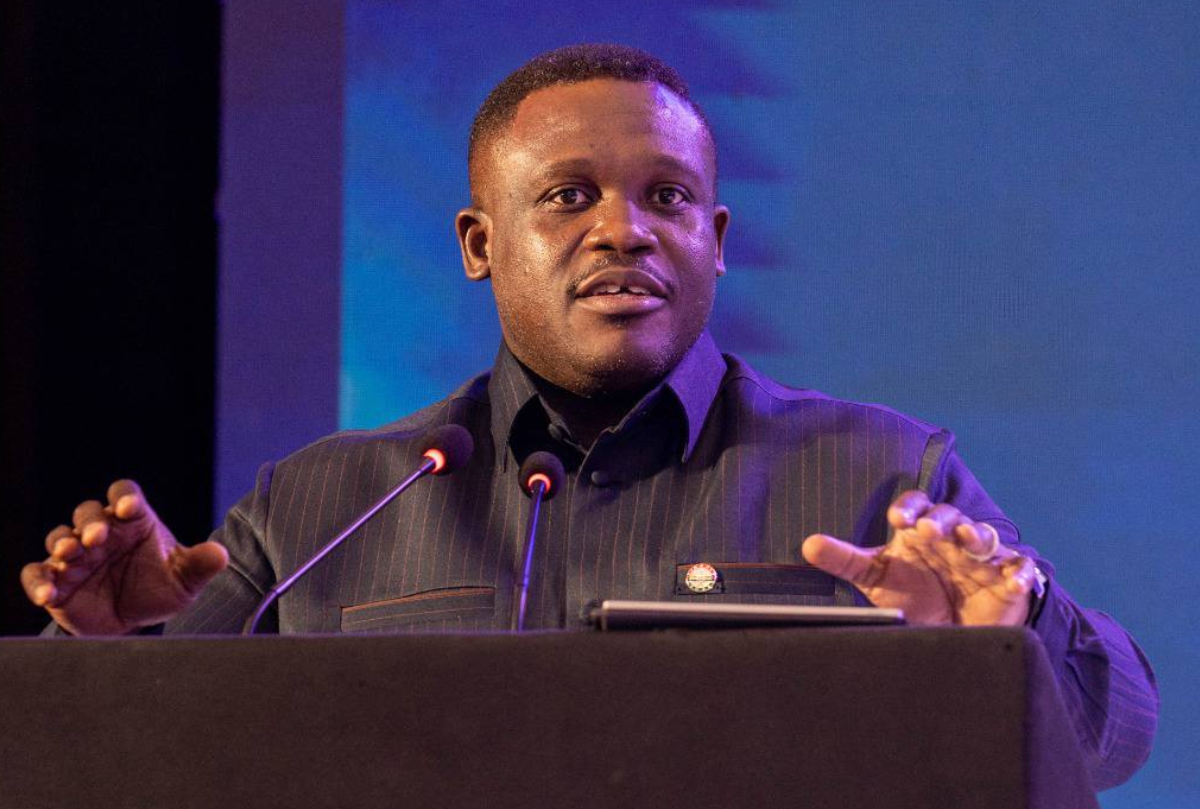
The announcement was made by the Minister for Communication, Digital Technology and Innovations, Hon. Samuel Nartey George, at the Mobex Africa Tech Expo and Innovation Conference 2025 held at the Kempinski Hotel in Accra.
The Africa Standard reports that the new initiative is part of a broader strategy to prepare Ghanaians for the future of work and establish the nation as a hub for innovation, investment, and digital excellence across Africa.
Minister George explained that the government’s digital transformation plan under President John Dramani Mahama is anchored on four strategic pillars, which are Innovation, Infrastructure, Inclusion, and Impact.
He said these pillars are designed to ensure that every Ghanaian can participate meaningfully in the emerging digital economy and that the benefits of technology reach even the most remote communities.
As part of this bold vision, the minister unveiled the One Million Coders Initiative, a nationwide program aimed at training citizens in coding, artificial intelligence, cybersecurity, and data analytics.
The program is being implemented across all 261 districts and seeks to equip young people with essential digital skills that align with the demands of the global economy.
According to Hon. George, the One Million Coders Initiative will empower a new generation of Ghanaian innovators capable of developing world-class technological solutions.
He also announced the creation of the Ghana–UAE Innovation and Technology Hub in Dawa, a $1 billion partnership that will serve as a regional innovation center for startups, researchers, and technology investors.
The hub will focus on emerging technologies such as artificial intelligence, fintech, agritech, and green technology, helping to attract both domestic and foreign investment.
Minister George further revealed that the government is working to extend nationwide broadband coverage by 2027, ensuring that every Ghanaian community has access to fast and affordable internet.
To sustain digital connectivity, he disclosed that the Cabinet is reviewing a proposal that mandates the inclusion of digital access infrastructure in all new road construction projects.
This, he explained, will make digital infrastructure a core component of Ghana’s national development framework, supporting smart transportation, e-commerce, and digital governance.
The government’s digital jobs drive aims to create 200,000 new technology-related jobs by 2028, with projections showing potential digital exports worth $2 billion annually.
The initiative aligns with Ghana’s broader goal of strengthening digital sovereignty and reducing dependence on foreign technology solutions.
Minister George referenced the Pan-African Payment and Settlement System as a model for how Africa can achieve financial and digital independence through innovation and integration.
He emphasized the need for regional collaboration in cybersecurity, digital trade, and infrastructure development to build a unified and resilient African digital ecosystem.
The minister also announced that the Ministry of Communication, Digital Technology and Innovations will present 15 new ICT-related bills to Parliament within the year.
These bills will address emerging areas such as data governance, artificial intelligence ethics, fintech regulation, and digital inclusion frameworks.
To support startups and entrepreneurs, the government will introduce regulatory sandboxes that allow innovators to safely test emerging technologies in real-world environments.
Hon. George urged African innovators to design homegrown solutions that address the continent’s unique challenges, particularly in agriculture, health, education, and finance.
He called on African governments to take full ownership of the digital revolution, warning that the continent must not remain a bystander in the global technological race.
According to him, Africa has the talent, creativity, and resilience needed to become a global technology powerhouse if it invests strategically in its people and infrastructure.
The Africa Standard observed that the event drew participation from leading tech companies, investors, and policy experts who praised Ghana’s proactive approach to digital transformation.
Hon. George concluded by reaffirming Ghana’s commitment to leading Africa’s digital renaissance, saying the nation’s future prosperity will be driven by innovation, knowledge, and inclusion.


