
Home » Orban’s Shock Defeat in Hungary Opens New Chapter for African Nations Seeking Stronger EU Engagement and Debt Relief

Orban’s Shock Defeat in Hungary Opens New Chapter for African Nations Seeking Stronger EU Engagement and Debt Relief

0 comments

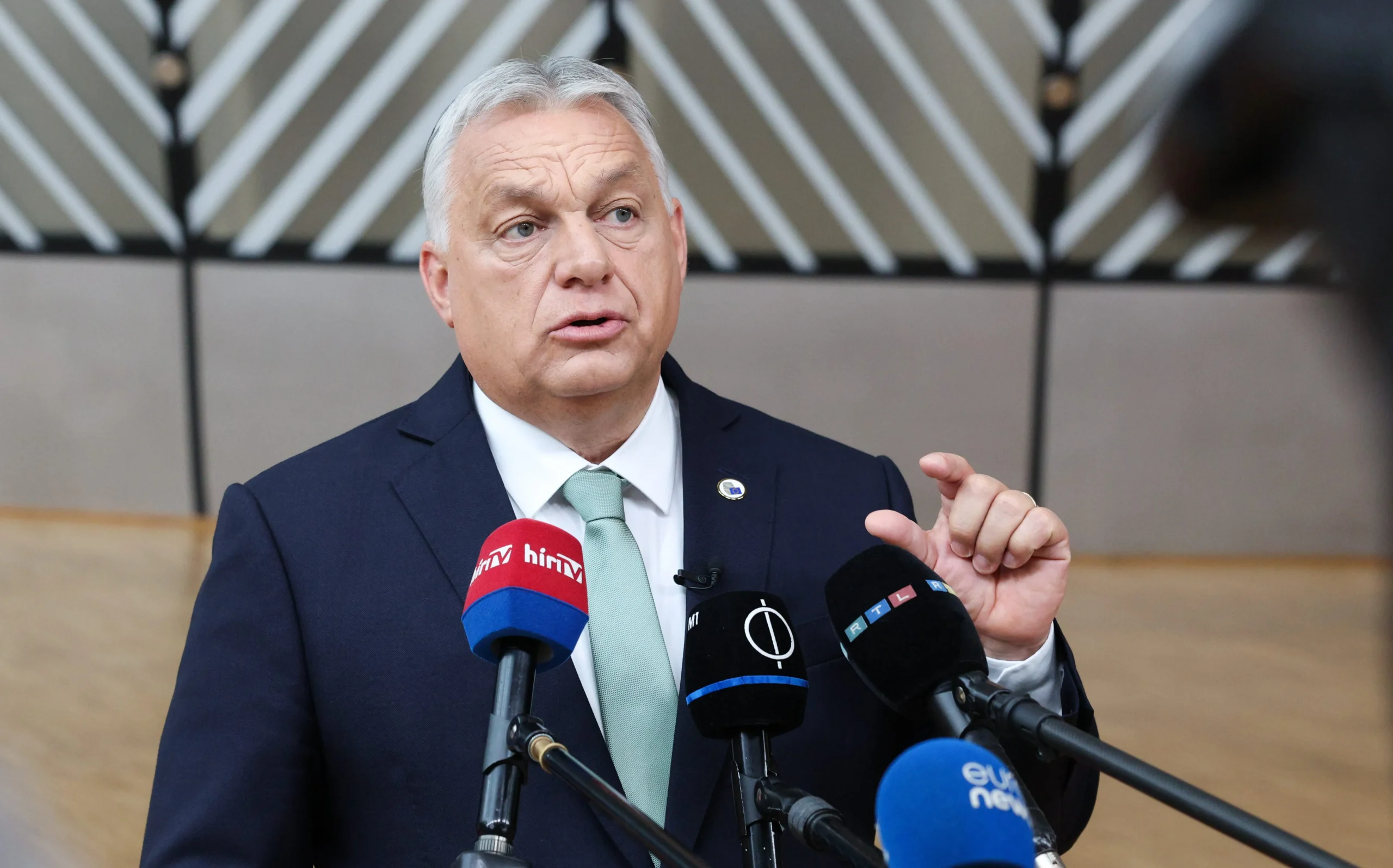
The stunning fall of Hungarian Prime Minister Viktor Orban after 16 years in power carries significant and underappreciated consequences for Africa, where his government’s obstructionist role within the European Union had repeatedly delayed or diluted policies on migration management, climate finance, and development assistance to the continent.

Preliminary results from Hungary’s April 12, 2026 parliamentary election confirmed that Peter Magyar’s Tisza party had swept to victory, ending Fidesz’s grip on power in a result that redraws the political landscape of the European Union and removes one of the bloc’s most reliably disruptive internal actors.

For African governments, Orban’s exit from power removes a key European voice that championed a hard-line approach to migration, framing African migrants primarily as a security threat rather than as people deserving of rights-based engagement. Under Magyar, Hungary is expected to move toward a more constructive posture on EU-Africa relations, including support for the bloc’s Global Gateway infrastructure investment programme that competes directly with China’s Belt and Road Initiative for influence on the continent.

The shift also matters for climate negotiations. Orban repeatedly blocked or weakened EU climate finance commitments that are critical to African nations, which face the most severe impacts of global warming despite contributing the least to its causes. A Hungary aligned with mainstream EU climate positions could accelerate the delivery of long-promised adaptation funds to the continent.

Magyar’s pro-European platform also signals a restored Hungarian willingness to engage meaningfully in EU-African Union summit diplomacy, where Orban’s government had often served as an obstacle to unified positions.

The transformation of Budapest from a disruptive outlier to a constructive EU partner, if it materializes, could quietly unlock significant benefits for Africa in trade, investment, migration management, and climate finance in the years ahead.

You may also like

Leave a Comment

TheAfricaStandard.com is an independent news and media publication owned and operated by Africa Standard Media Group, an international news organization dedicated to accurate, balanced, and transparent journalism. The publication covers major stories across Africa and the global community, focusing on politics, business, governance, innovation, and social development.


Edtior's Picks

Latest Articles

The Africa Standard and ‘Africa Standard’ are trademarks of Africa Standard Media Group. The Africa Standard and its journalism operate under a self-regulation framework governed by The Africa Standard Editorial Code of Practice.

This website uses cookies to improve your experience. We'll assume you're ok with this, but you can opt-out if you wish. Accept Read More

Privacy & Cookies Policy