
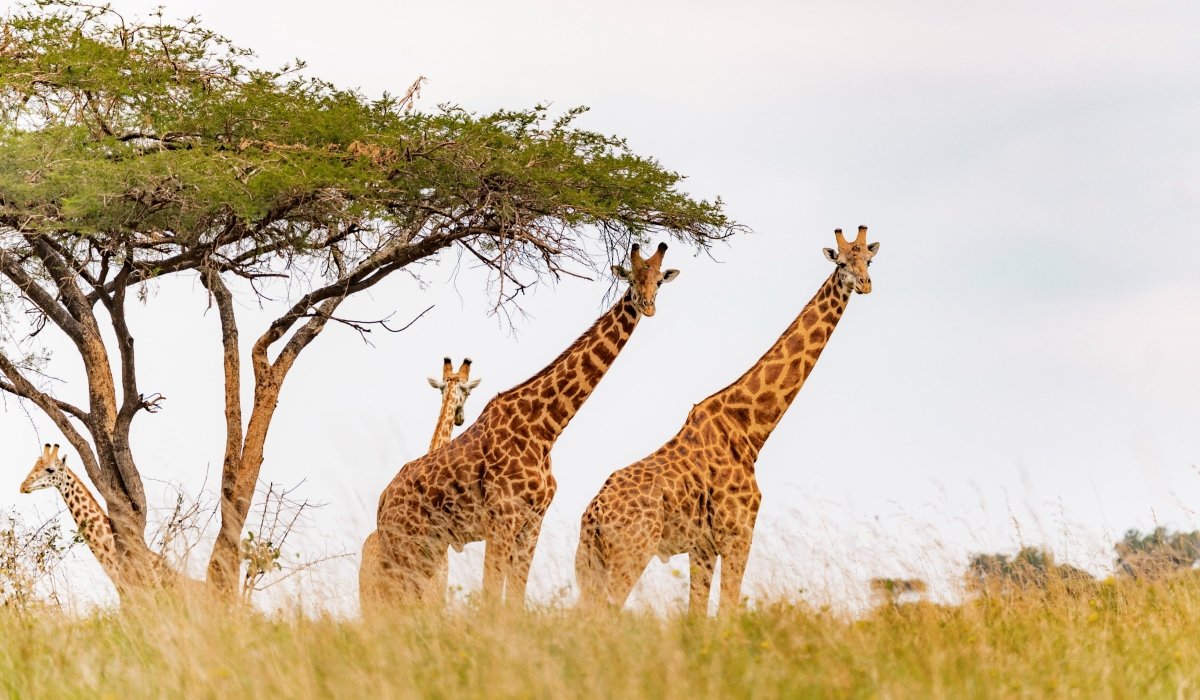
Akagera National Park in eastern Rwanda has been recognized as one of the world’s 25 best travel destinations for 2026 by National Geographic. The recognition places Akagera among the most iconic global landmarks for wildlife and natural beauty, confirming Rwanda’s growing reputation as a premier African tourism destination.
National Geographic’s “Best of the World 2026” list celebrates locations that blend environmental conservation, cultural heritage, and authentic travel experiences. Akagera’s inclusion highlights its transformation from a war-torn wilderness into one of Africa’s most successful conservation stories.
The publication described Akagera as an ideal safari destination for those seeking serenity and wildlife without the crowds. It praised the park’s mix of savanna, green woodland, and winding waterways that create a tranquil environment for both animals and visitors.
According to the magazine, Akagera attracts about 50,000 visitors annually, making it far quieter than Tanzania’s Serengeti National Park, which sees about 350,000, and Kenya’s Masai Mara National Reserve, with about 300,000 visitors each year.
National Geographic emphasized that Akagera’s low visitor numbers allow for a more personal wildlife experience, with close encounters of elephants, lions, leopards, giraffes, zebras, buffalo, and over 500 bird species.
The park’s reintroduction of black and white rhinos has also restored the Big Five; lion, leopard, elephant, rhino, and buffalo cementing its status among Africa’s great safari destinations.
Established in 1934, Akagera once covered more than 2,500 square kilometers but suffered major losses during Rwanda’s difficult years following the 1994 Genocide against the Tutsi. Poaching and deforestation nearly wiped out much of its wildlife.
“Thirty years ago, Rwanda’s largest national park looked drastically different,” National Geographic wrote, noting how Akagera’s landscapes and animal populations had been devastated.
The park’s revival began under a joint management agreement between the Rwanda Development Board and African Parks, an NGO specializing in conservation and community partnerships.
Over the past 15 years, the collaboration has transformed Akagera into a thriving ecosystem where wildlife now flourishes. Anti-poaching units, community engagement, and international partnerships have been central to this success.
A landmark rhino translocation in 2021 saw dozens of black rhinos introduced from South Africa. In May 2025, another 70 white rhinos arrived, turning Akagera into a refuge for endangered species.
The conservation milestone has been matched by an expansion in eco-tourism infrastructure designed to support sustainable visitor growth.
Recent developments include the renovation of Karenge Bush Camp in the southern sector, making the park more accessible from Kigali, Rwanda’s capital.
In the north, Wilderness Magashi Camp opened along the Magashi Peninsula, offering a high-end experience for small groups while maintaining a low ecological footprint.
Akagera’s tourism revenue has also seen steady growth. In 2024, it welcomed over 56,000 visitors, including 48,000 paying guests.
Rwandans accounted for nearly 45 percent of total visitors, reflecting the country’s strong domestic engagement with conservation and tourism.
The park generated $4.7 million in 2024 and is projected to reach $4.9 million in 2025, according to management reports.
Rwanda now boasts four national parks: Akagera in the east, Volcanoes National Park in the north known for its mountain gorillas, Nyungwe in the southwest famed for its rainforest canopy, and Gishwati-Mukura in the west.
National Geographic’s endorsement further strengthens Rwanda’s tourism profile and validates years of environmental restoration and sustainable development.
Each year, the magazine’s “Best of the World” list celebrates destinations that inspire exploration and promote responsible travel.
For 2026, only a handful of African destinations made the cut. Alongside Akagera were Morocco’s capital Rabat and the coastal regions of South Africa and Namibia.
Globally, the list featured diverse destinations, including Italy’s Dolomites, Quebec in Canada, Turkiye’s Black Sea coast, the Philippines’ Manila, and Australia’s Uluru-Kata Tjuta.
Experts say the recognition is likely to boost Rwanda’s eco-tourism appeal and encourage more travelers to explore Akagera’s unique blend of wildlife, culture, and conservation.
For Rwanda, it marks another step in a remarkable journey from recovery to global recognition, positioning Akagera National Park as one of the world’s most inspiring examples of environmental renewal and sustainable tourism.


